

Canvas - Hashimoto Kansetsu, Old Monkey with Cherry in Autumn
- In stock, ready to ship
- Worldwide free shipping for orders over €60
- Delivery 5 - 7 working days*
ARTLIA's art prints are produced according to standardized paper and canvas formats.
Depending on the aspect ratio of the original artwork and the chosen format, it may happen that the edges of the image are slightly adjusted to achieve a harmonious overall effect and high print quality.
For canvas prints, the ARTLIA team ensures that the main motif is placed as fully as possible on the front side. The side frame areas are continued in color and style to match the original image.
This is a deliberate and common production step with which the ARTLIA team ensures the aesthetic quality of each artwork.
One motif, many styles: discover our diverse collection


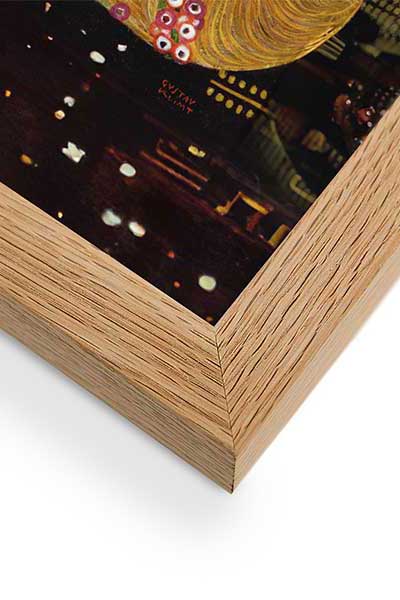
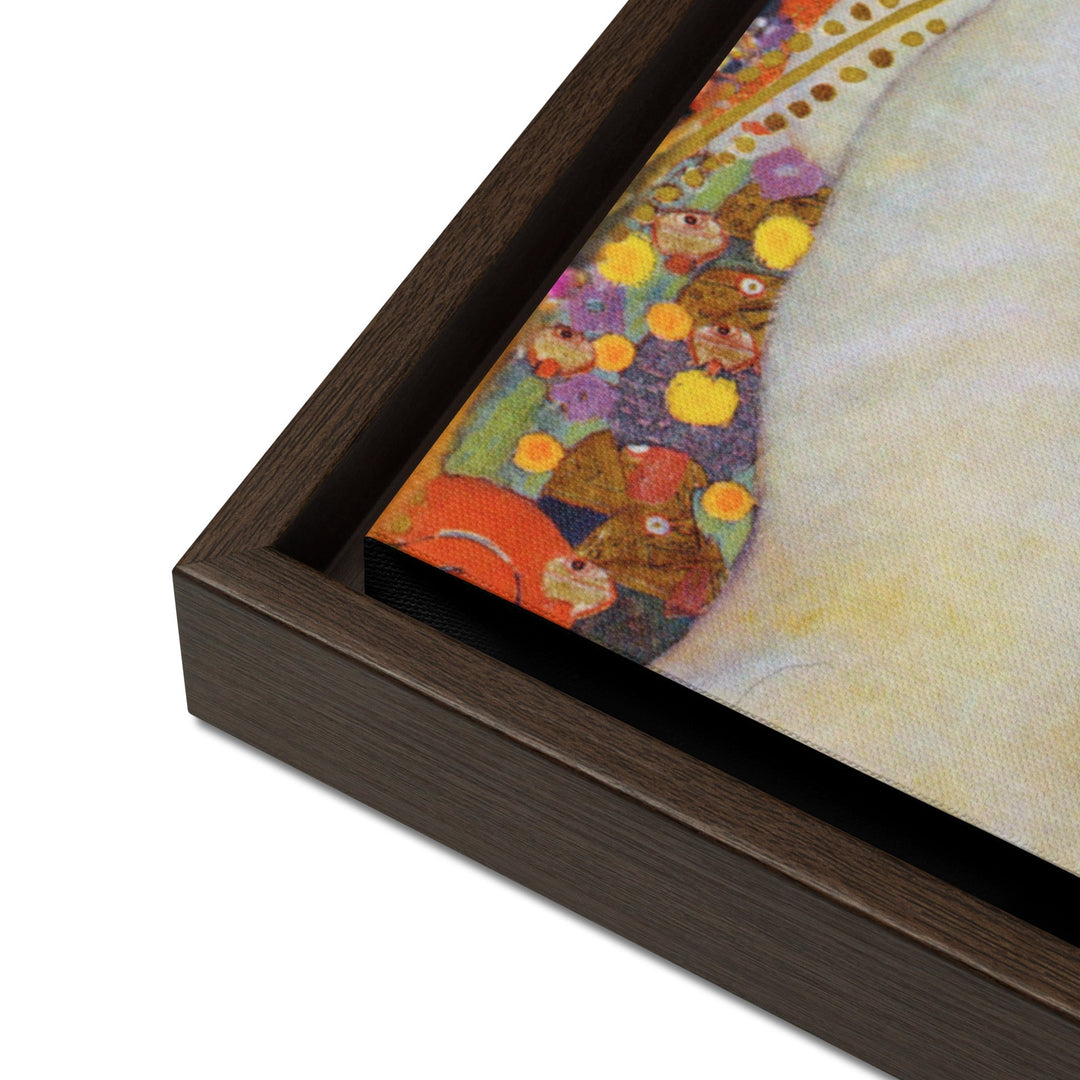
Framed canvas – Old Monkey with Cherry in Autumn by Hashimoto Kansetsu
Spruce up your empty walls with this eye-catching framed canvas! This high-quality framed canvas print—Old Monkey with Cherry in Autumn by Hashimoto Kansetsu—is made with a pine frame and comes with rubber bumpers on the back corners and a wall mount for hassle-free hanging. In addition, the frame gives the canvas a cool floating effect!
• Frame: Pine
• Frame thickness: 3.18 cm (1.25″)
• Canvas fabric weight: 344 g/m² +/- 25g/m² (10.15 +/- 0.74 oz/yd²)
• Open back
• Rubber bumpers on the back corners
• Hanging hardware attached
• Blank canvas sourced from the USA
Disclaimers:
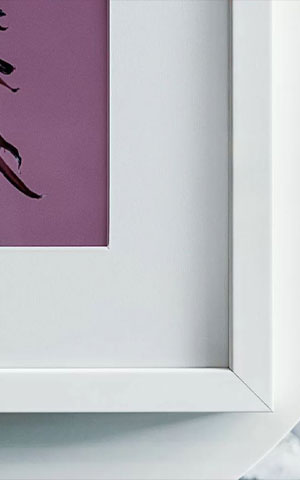
- Framed canvases with brown and black frames have a black inner edge around the canvas, while canvases with white frames have a white inner edge around the canvas.
- This product is not intended for sanding or cutting—doing so creates airborne dust that may cause lung irritation.

Unframed canvas
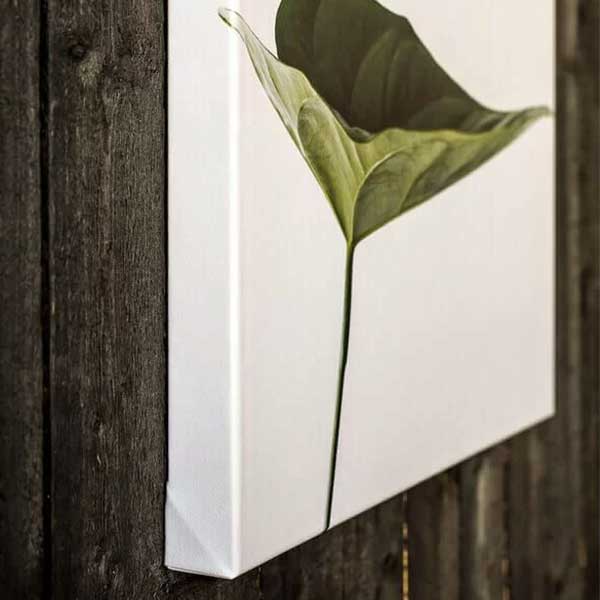
Looking for something to add flair to your office or home? Your search ends here! This canvas print—Old Monkey with Cherry in Autumn—with its vibrant, fade-resistant colors is sure to catch the eye.
• 1.25″ thick poly-cotton blend canvas fabric
• Canvas fabric weight: 344 g/m² +/- 25 g/m² (10.15 +/- 0.74 oz./yd.²)
• Fade-resistant
• Manually stretched over a solid wood stretcher frame
• Mounting brackets included
• Blank canvas sourced from the USA, Canada, Europe, the United Kingdom, or Australia

Hashimoto Kansetsu and “Old Monkey with Cherry in Autumn” – The Quiet Melancholy of an Animal Master
When discussing Japan’s great animal painters, one name immediately comes to mind: Hashimoto Kansetsu (1883–1945). The Kyoto-born artist is regarded as one of the leading representatives of Nihonga painting, an artistic style that combines traditional Japanese art with Chinese literati painting. Kansetsu was a sensitive observer of nature—someone who did not merely depict animals but made their inner world visible.
Among his numerous subjects, one stands out in particular: “Old Monkey with a Cherry in Autumn”. The title alone invites reflection. An aged monkey, a single cherry, the season of farewell. What appears simple reveals itself to be one of the most poetic animal depictions in modern Japanese art.
Who Was Hashimoto Kansetsu?
Kansetsu lived at a time when Japan had to redefine itself between tradition and modernity. The Nihonga movement sought precisely this balance. During journeys through China, Kansetsu deepened his knowledge of classical ink techniques and developed a style distinguished by restraint, delicate lines, and emotional depth.
Animals in particular—monkeys, tigers, and birds—became vehicles for expressing human emotions. His monkeys often gaze pensively into the distance, tigers appear exhausted or vulnerable, and even small birds seem to reflect the mood of the seasons.
The Old Monkey—a Mirror of Life
The work “Old Monkey with a Cherry in Autumn” impressively demonstrates how skillfully Kansetsu worked with symbols. The monkey is visibly aged, its fur unkempt, its gaze gentle and turned inward. In its hands, it holds a cherry or a branch. The background remains empty—no distractions, only silence.
Why a monkey?
In East Asian art, the monkey symbolically represents humanity, the spirit, and emotionality. Because of its resemblance to us, few other animals are as well suited to serve as a projection screen. An old monkey thus becomes a symbol of experience, vulnerability, and an awareness of one’s own mortality.
And why a cherry in autumn?
The cherry—especially in the form of cherry blossoms—is regarded in Japan as a symbol of transience.
Yet in autumn, it is no longer fresh and radiant. It appears as the last remnant of warm days, a delicate reminder that winter is inevitably approaching.
The interplay of the old monkey, last cherry, and empty autumn landscape creates a scene that goes far beyond an animal depiction. It is a quiet contemplation of life itself.
The Poetry of Emptiness
Kansetsu was a master at achieving a powerful effect through minimalism. The wide, unpainted areas around the monkey are not merely background—they create room to breathe. In Japanese aesthetics, this principle is called Ma, the meaningful space in between.
A space that offers tranquility.
A space that invites us to listen.
A space where silence finds a voice.
A painting that one feels—not merely sees
Many viewers report that this work touches them in unexpected ways. Perhaps because we all know moments when we pause and look back. Perhaps because the delicate gesture with which the monkey holds the cherry brings to mind the small things that sustain our lives.
Kansetsu succeeds in capturing a timeless feeling:
the quiet melancholy of autumn.
Why This Work Still Fascinates Today
In a world that is loud and fast, a painting like “Old Monkey with Cherry in Autumn” feels like an alternative—quiet, meditative, genuine.
It reminds us:
-
that aging possesses a form of dignity
-
that gentleness means strength
-
that beauty lies in simplicity
-
that silence tells stories
Kansetsu captures not only an animal, but the essence of a moment—with restraint, precision, and deep respect.
Concluding Thoughts
Hashimoto Kansetsu understood like few others how to imbue animals with humanity and dignity. The Old Monkey in Autumn is an impressive example. Quiet and wise, it sits there as if contemplating life itself—and invites us to do the same.
An image that lingers for a long time.
An image that is not easily forgotten.