Canvas - Huiji Im, Orchid in Ink
- In stock, ready to ship
- Delivery in 5–7 business days
- Free worldwide shipping* on orders of €60 or more
* For deliveries to countries outside Europe, the United Kingdom (UK), North America, Brazil, and Japan, additional import duties, customs duties, import VAT, or customs clearance fees may apply depending on the respective delivery and production locations. These costs are to be borne by the recipient.
ARTLIA's art prints are produced according to standardized paper and canvas formats.
Depending on the aspect ratio of the original artwork and the chosen format, it may happen that the edges of the image are slightly adjusted to achieve a harmonious overall effect and high print quality.
For canvas prints, the ARTLIA team ensures that the main motif is placed as fully as possible on the front side. The side frame areas are continued in color and style to match the original image.
This is a deliberate and common production step with which the ARTLIA team ensures the aesthetic quality of each artwork.
One motif, many styles: discover our diverse collection


Framed Canvas - Huiji Im, Orchid in Ink
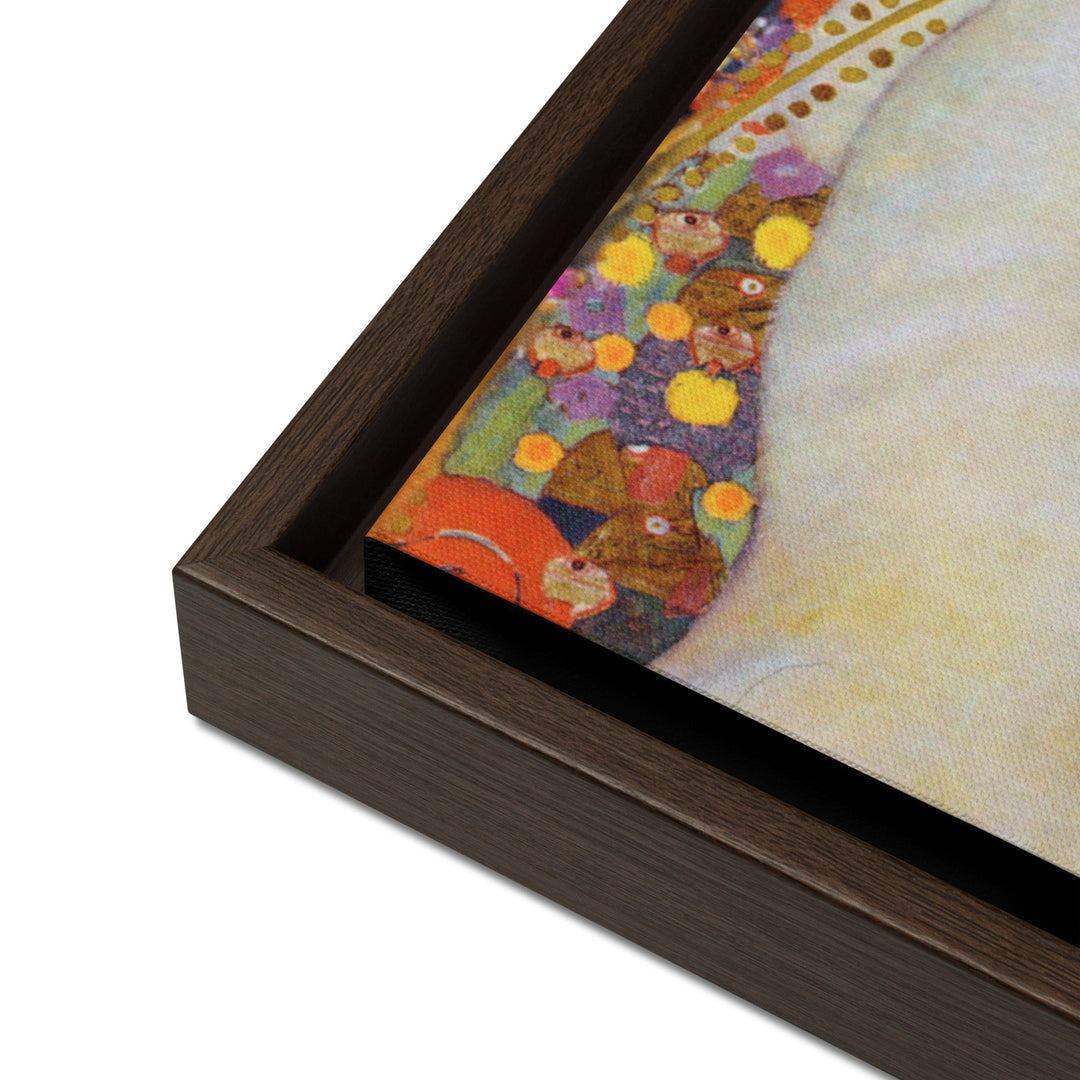
Brighten up your bare walls with this eye-catching framed canvas! This high-quality, framed canvas - Huiji Im, Orchid in Ink, made from pine, comes with rubber bumpers on the back corners and a wall mount for effortless hanging. Plus, the frame gives the canvas a cool floating effect!
• Frame: Pine
• Frame thickness: 1.25″
• Canvas fabric weight: 344 g/m² +/- 25g/m² (10.15 +/- 0.74 oz/yd²)
• Open back
• With rubber bumpers on the back corners
• Hanging hardware attached
• Blank product sourced from the USA
Disclaimers:
- The brown and black framed canvases have a black backing around the canvas, while the white framed canvases have a white backing around the canvas.
- This product is not intended for sanding or cutting — this can create airborne dust that may cause lung irritation.

Unframed Canvas
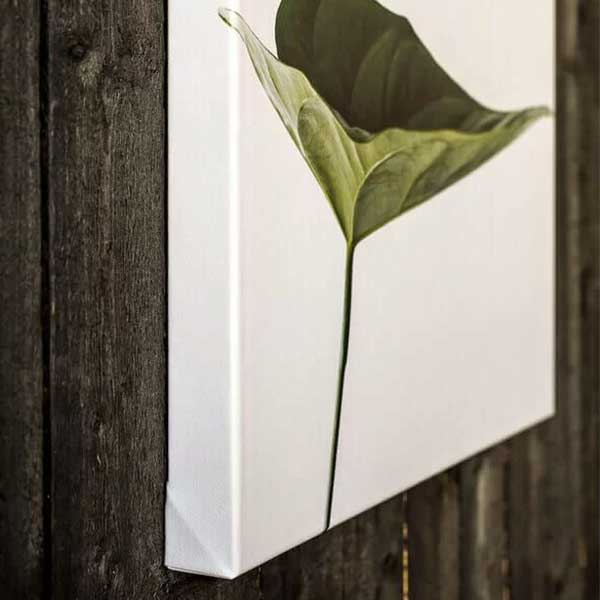
Looking to add some flair to your office or home? Your search is over! This canvas print - Orchid in Ink by Huiji Im, with its vibrant, fade-resistant colors, is sure to catch the eye.
• 1.25″ thick canvas fabric made from a cotton-polyester blend
• Canvas fabric weight: 344 g/m² +/- 25 g/m² (10.15 +/- 0.74 oz./yd.²)
• Fade-resistant
• Hand-stretched over a solid wood stretcher frame
• Mounting brackets included
• Blank product sourced from the USA, Canada, Europe, the UK, or Australia

Orchid in Ink
Huiji Im, 임희지 (1765–?)
The quiet elegance of an orchid – an expression of Korean literati art from the Joseon Dynasty.
With just a few precisely placed brushstrokes, Huiji Im captures the delicate grace of an orchid on paper. The slender, curving leaves and delicate blossoms unfold with remarkable ease. Dark ink, nuanced brushwork, and deliberately empty spaces come together in a composition of great calm and expressive power.
At first glance, the subject seems almost simple. Yet it is precisely this restraint that gives it its particular impact. Every line seems deliberately chosen, every brushstroke serves a purpose of its own. The plant is not rendered true to nature in the smallest detail. Rather, the artist focuses on what matters: the characteristic shape of the leaves, the delicate movement of the blossoms, and the plant’s overall vitality.
The Orchid – A Symbol of Character and Inner Beauty
In traditional East Asian art, the orchid has a significance that goes far beyond its botanical appearance. Together with bamboo, plum blossoms, and chrysanthemums, it belongs to the so-called “Four Noble Plants.” In scholar-literati painting, these represent virtues such as honesty, humility, steadfastness, and purity of character.
The orchid embodies elegance, restraint, and inner dignity in particular. It often grows hidden away in quiet, remote places, where it unfolds its beauty without seeking attention. This very quality made it a symbol of the cultivated person: someone whose worth does not depend on external recognition, but stems from their character and inner disposition.
In this sense, the orchid is far more than a decorative plant motif. It represents a quiet, self-assured beauty—unassuming, delicate, and timeless.

The Art of Omission – The Aesthetics of Korean Ink Painting
A key feature of this work is its deliberate use of unpainted space. In traditional East Asian painting, emptiness is not understood as an absence of pictorial content. Rather, it is an active part of the composition and contributes significantly to its effect.
The open spaces let the subject breathe. They create distance between the individual forms and give the leaves and blossoms room to unfold visually. This creates an atmosphere of stillness that does not overwhelm the viewer, but invites close observation.
The ink itself is also an important expressive medium. Depending on the pressure, speed, and moisture of the brush, different lines and tonal values emerge—from deep black to fine, almost transparent gradations. The vitality of the image comes not from a wide range of colors, but from the quality of each individual brushstroke.
This restraint demands a high degree of control and artistic sensibility. What appears simple is the result of a deliberate choice of form, rhythm, and expression.
Korean literati painting – beauty through simplicity
The work can be placed within the aesthetic context of Korean literati painting. This painting tradition was closely connected with the culture of educated literati and scholars. The focus was not solely on depicting the visible world as accurately as possible, but also on the artist’s personal outlook.
A painting could express education, character, and intellectual sensitivity. Plants, landscapes, and other subjects were often understood as carriers of symbolic meanings. A work’s quality was not necessarily reflected in its size or wealth of detail, but in the confidence of its brushwork, the harmony of its composition, and its ability to evoke a special mood with just a few means.
The orchid is a particularly fitting subject for this visual style. Its elegant appearance lends itself to understated depiction, while its symbolic meaning gives the image an additional spiritual dimension.
A work of timeless serenity
“Orchid in Ink” combines botanical grace with a deeply rooted artistic tradition. Its restrained palette, fine lines, and balanced composition give the work a calm, almost meditative quality.
As an art print, it brings the distinctive aesthetic of traditional Korean painting into modern living spaces. It is particularly well suited to interiors that value natural materials, clean lines, and understated colors. Whether as a standalone focal point or paired with other works of Asian art, the subject creates an atmosphere of serenity, elegance, and cultural depth.
An exceptional work for lovers of classical ink painting, East Asian art, and timeless botanical subjects.
Life dates: 1765–?
Period: Joseon Dynasty, Korea
Subject: Orchid
Original medium: Ink on paper
Original collection: National Museum of Korea, Seoul